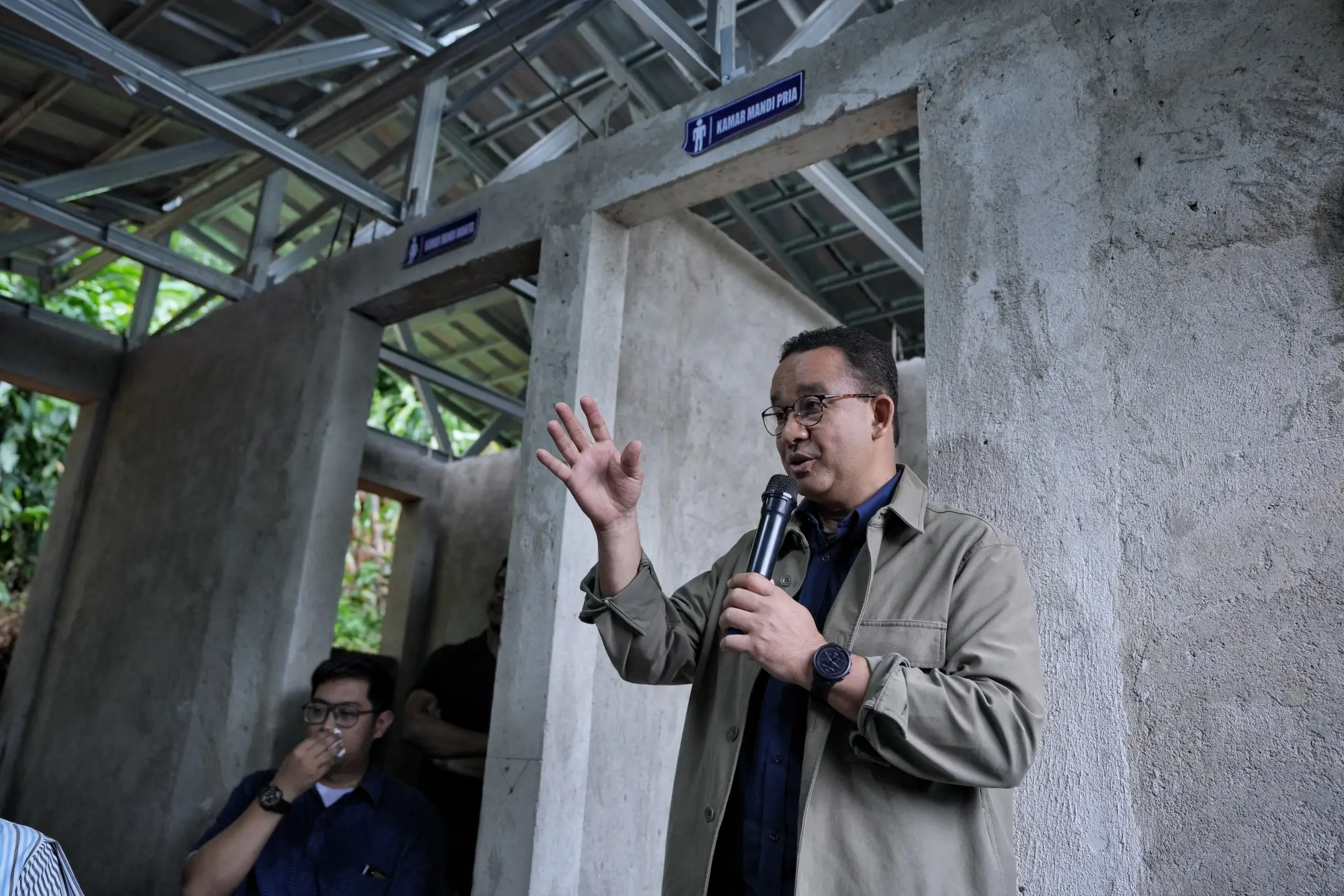
It's Not Just About Building Toilets—
It's About Reigniting Hope.
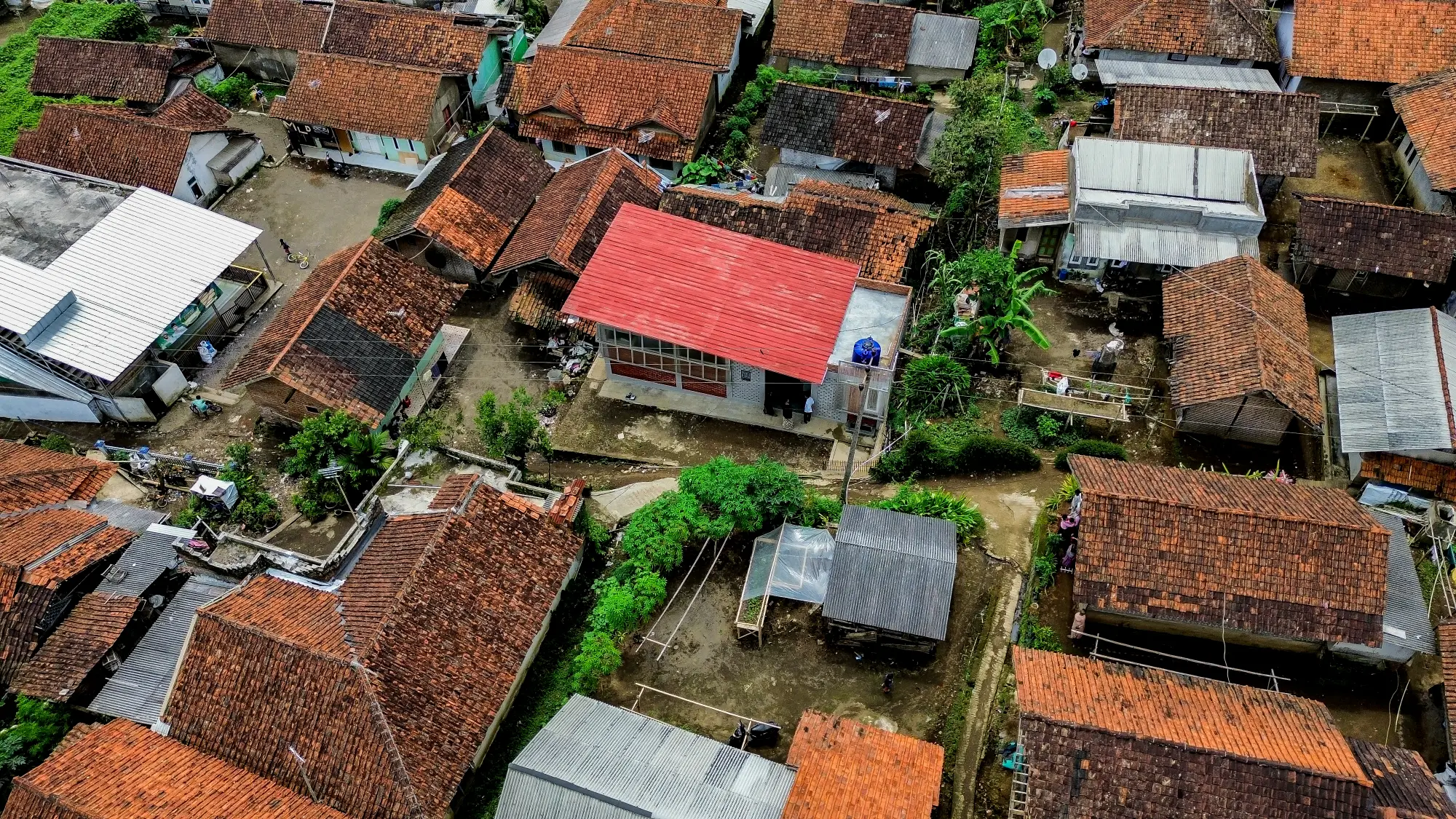
In many parts of Indonesia, simple things like clean water and proper toilets are still hard to come by. Many families have to walk long distances just to relieve themselves when the urge strikes. Women are forced to wait until night for a little privacy. Children-even toddlers-many fall ill because they have to bathe and drink from polluted water. More than 27% of the population still practiced open defecation, exacerbating the spread of disease and contaminating the few remaining clean water sources.
What Makes Taharah Different?
The problem of poor sanitation in rural Indonesia is not new. But we believe, change can only happen if we ourselves take steps to make it happen.
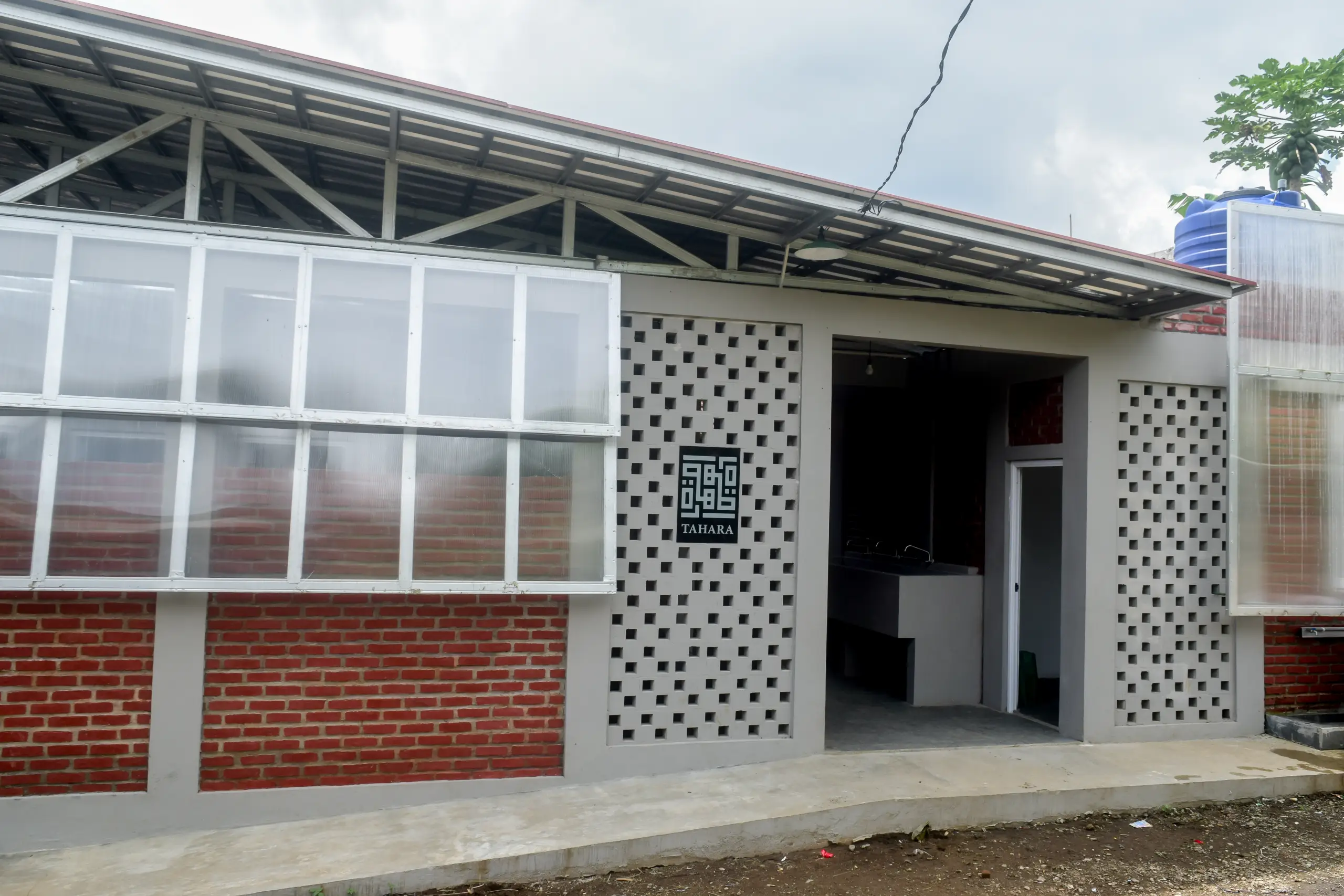
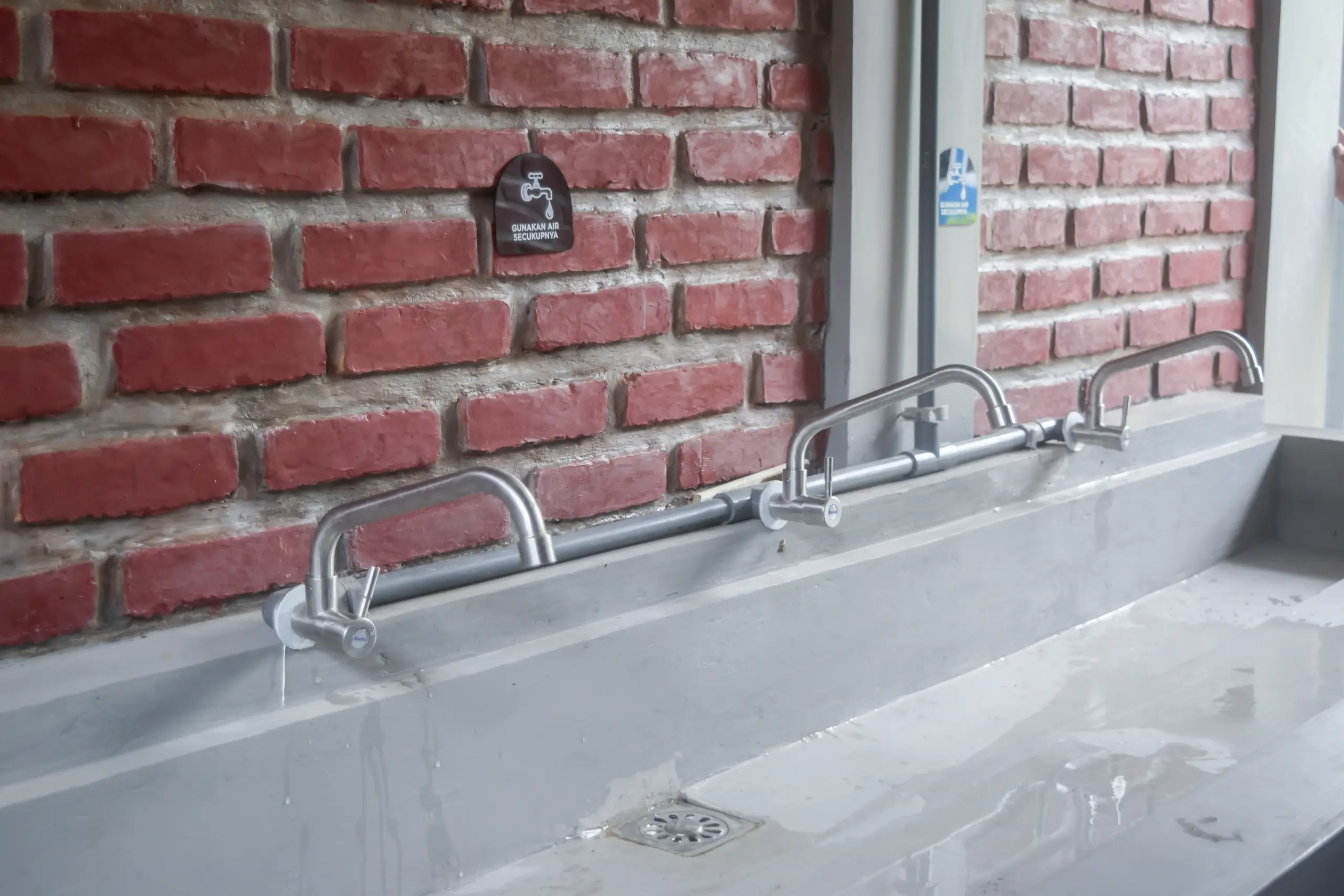
Taharah is here not just to provide clean water and sanitation facilities - because those are basic needs that concern human dignity. More than that, we design these facilities as living spaces: where residents wash clothes and kitchen utensils, bathe children, fetch water, and chat with neighbors.
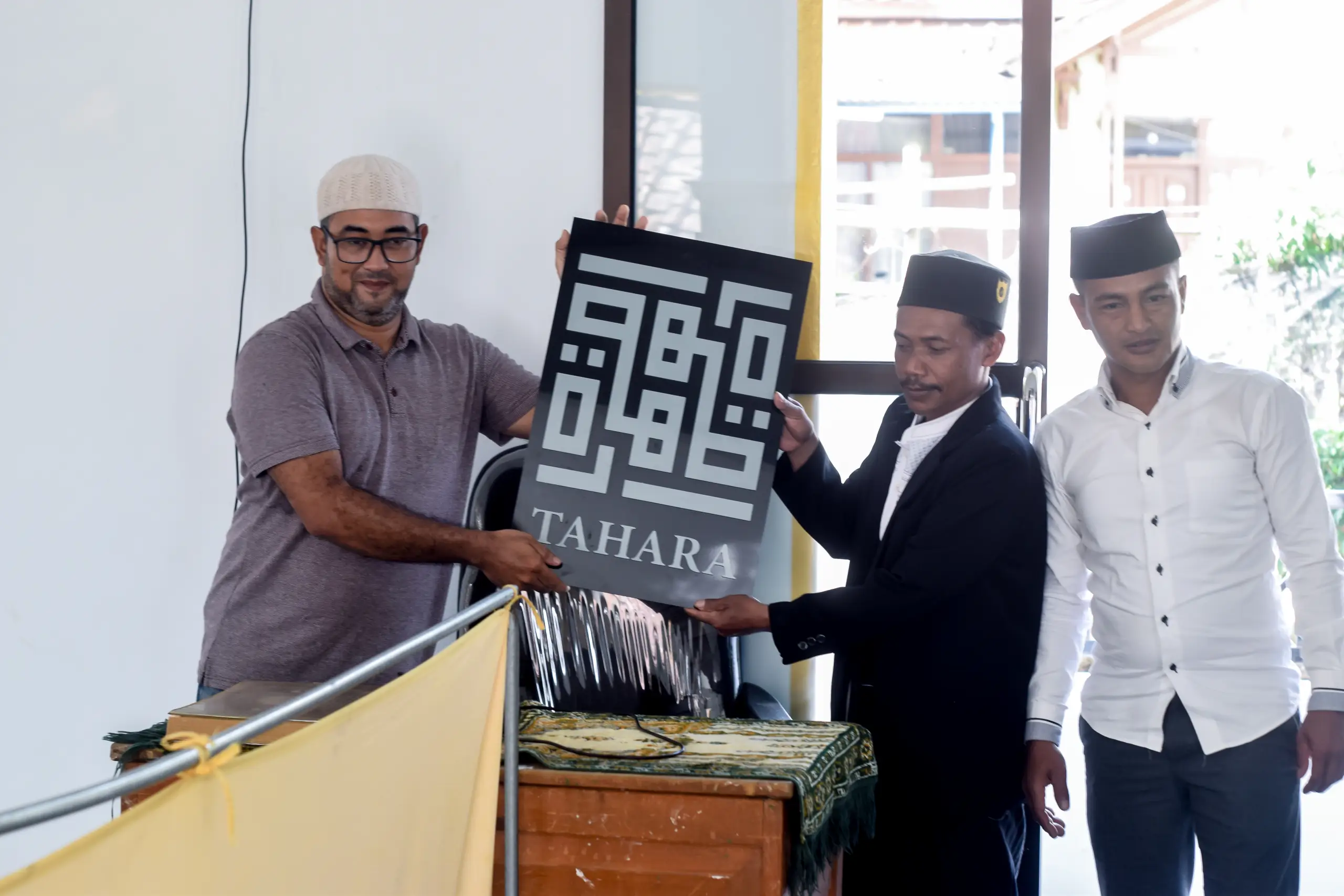
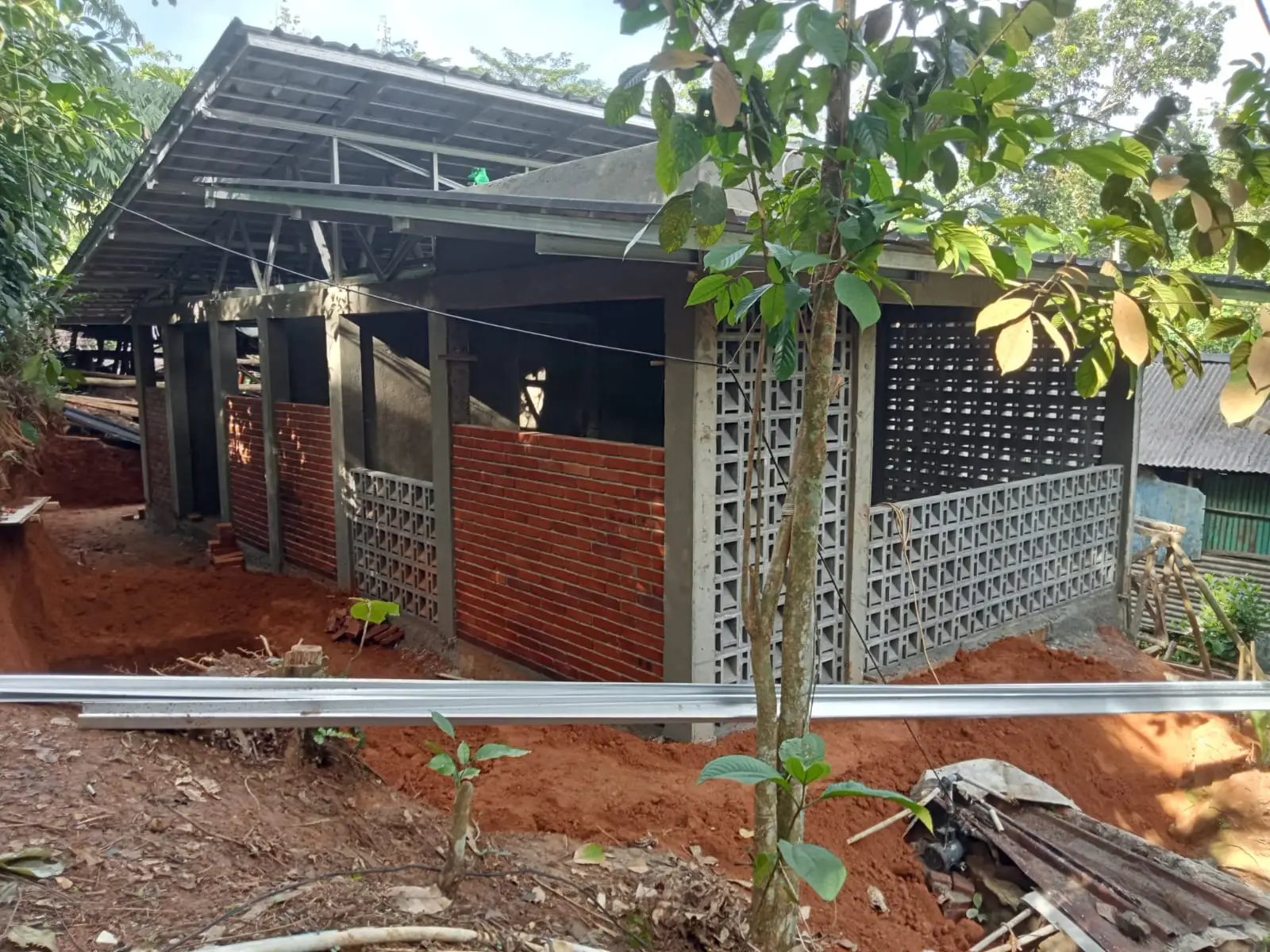
What we build is not a temporary toilet, but a facility designed to last across generations. Built with care, sustainability in mind, and most importantly: a sense of ownership from the community itself.